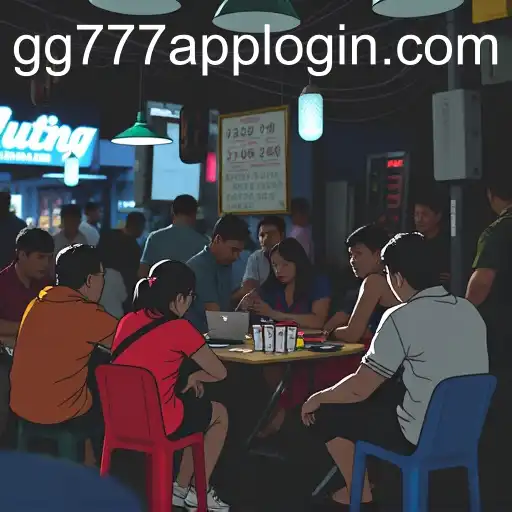
Understanding Jueteng: Cultural Phenomenon or Social Ill?
Jueteng is a pervasive form of illegal gambling in the Philippines, deeply rooted in the cultural and social fabric of many communities. Despite repeated efforts by the government to eradicate it, Jueteng remains a resilient element of underground economy, reflecting the economic struggles and the quest for quick fortune that drives many Filipinos to participate in it.
Jueteng operates as a numbers game, somewhat akin to a localized lottery system, where bets are placed on numbers that may range from 1 to 37. The game is highly organized, with a complex hierarchical structure involving collectors, coordinators, and financiers. Despite its illegality, Jueteng provides an informal form of employment to many and sometimes even garners tacit support from local leaders in exchange for financial incentives.
The Role of Technology: gg777 App and Other Innovations
In recent years, technology has significantly transformed various aspects of gambling, including illegal forms like Jueteng. Digital platforms such as the gg777 app have brought gambling into the virtual world, altering the dynamics significantly. With a simple gg777 app login, users can access a variety of games, placing bets with the convenience of their smartphones.
The transition to digital platforms has both challenged traditional methods and introduced new ethical and legal considerations. While these platforms might not host Jueteng explicitly, they represent a shift in gambling culture, where the line between legal and illegal, informal and formal gambling covenants begin to blur. This evolution mirrors broader global trends and poses novel regulatory challenges for governments.
The Economic Impact of Jueteng
From an economic perspective, Jueteng functions as both a drain and a driver within local economies. On one hand, it diverts funds from potentially more constructive economic channels, operating entirely within an untaxed, underground system. On the other hand, for those employed within its structure, it provides a steady, albeit illegal, source of income.
The funds flowing through Jueteng are substantial, with estimates suggesting that billions of pesos circulate through this black market annually. The question then arises: should Jueteng be legalized in order to regulate and tax income that would otherwise remain hidden? While appealing, this solution raises numerous ethical concerns and the potential for exacerbating a culture of gambling dependency.
Government Strategies: Eradication or Integration?
The Philippine government has historically adopted a dual strategy towards Jueteng, oscillating between efforts to eliminate it and considering regulation as an alternative. Policymakers face the complex task of balancing cultural realities with socioeconomic needs, alongside ethical and legal imperatives.
Efforts to eradicate Jueteng often involve rigorous police crackdowns, which yield temporary results but do not address the underlying economic catalysts that perpetuate its existence. Consideration of regulation opens a path towards controlled integration but is fraught with potential pitfalls, including the risk of promoting corruption within regulatory frameworks.
Social Implications and Cultural Reflections
Jueteng is more than just a gambling practice; it is a cultural reality for many in the Philippines. It reflects the deeply entrenched social and economic inequities, as well as the collective aspiration for a different status quo. For many, participating in Jueteng represents a small act of defiance against systemic economic disenfranchisement.
Moreover, Jueteng, alongside digital platforms like the gg777 app, reflects the evolving landscape of betting culturally, mirroring the broader shifts towards digitalization globally. The virtual pivot not only diversifies traditional gambling options but also democratizes access, making gambling more accessible to a tech-savvy younger demographic.
Navigating the Future of Jueteng and Digital Gambling
The future of Jueteng, intertwined with the rise of applications like gg777 app, presents a multifaceted challenge that requires a comprehensive, nuanced approach. Policymakers must navigate this complex landscape, considering not only economic implications but also social factors and the potential for technological disruption.Visit our homepage for more insights into this pressing issue and other topics.
Ultimately, the story of Jueteng is not just about gambling; it's about resilience, survival, and the quest to understand how long-standing cultural practices can adapt in the face of modern challenges. It is an ongoing narrative that invites both caution and creativity, emphasizing the need for inclusive dialogue and innovative policy solutions.